
Comment: How does ICT use fit into social practice?
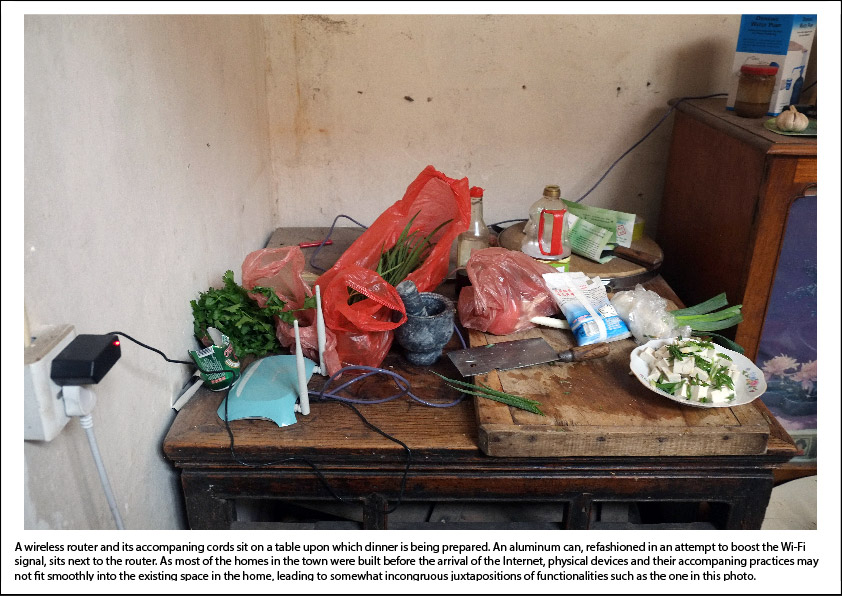 Important early insights into how individuals use ICTs came from observing how they were incorporated into existing patterns of daily life both socially and physically. These observations have led to the conclusion that there is an interplay between physical and social incorporation and that an understanding of one can help illuminate the other. For instance, the theory of domestication, which has been mentioned several times already in this project, was developed based on observations of how televisions were brought into people's homes, both as technologies or media and as physical objects (an aspect which has received much less attention in research)[1]. This theory sees technology as both something that shapes and something that is shaped and as the original authors argue:
"It is possible to see how physical artefacts, in their arrangement and display, as well as their construction and in the creation of the environment for their display, provide an objectification of the values, the aesthetic and the cognitive universe, of those who feel comfortable or identify with them."[2]
 This idea that it is important to understanding how technologies are incorporated into physical space and that an understanding of physical space illuminates social practices, has been utilized by many other researchers. For instance, Tom McDonald in his study of how the Internet was brought into the home of one family living in Southwestern China marked different stages of usage practices and perspectives on the technology based partly on the location of the computer within the home[3]. The family originally purchased the computer to encourage their son to spend more time at home and less time at the local Internet café, placing the newly bought computer in the children's bedroom. This made the parents become more aware of how their sons used the Internet and then, when this use disrupted family activities, disconnected the Internet through the non-payment of fees. However, the Internet was reinstated with certain conditions and the parents became aware that they might also have a use for the Internet and started to use it to play games and watch movies. After this, the computer was moved into a newly redecorated room, taking the prime space in this new living room so that the family could use the technology together. This anthropological study illustrates how issues of the placement and presence of ICT devices in physical spaces is inseparable from issues of power, social structure and use of the media and it is for this reason that the third question in this project examines how ICTs fit into physical space.
2. Cockburn, C., Silverstone, R., & Hirsch, E. (1992). Consuming technologies: Media and information in domestic spaces. P. 20