
Positive attitudes
ICTs are seen as being generally used for leisure rather than work: In the Chinese language, the verb associated with ICT use is play. For instance if asked whether they have or use a cell phone, a non-user or infrequent user will respond that they do not have the ability or skill to "play" the technology (我不会玩手机).
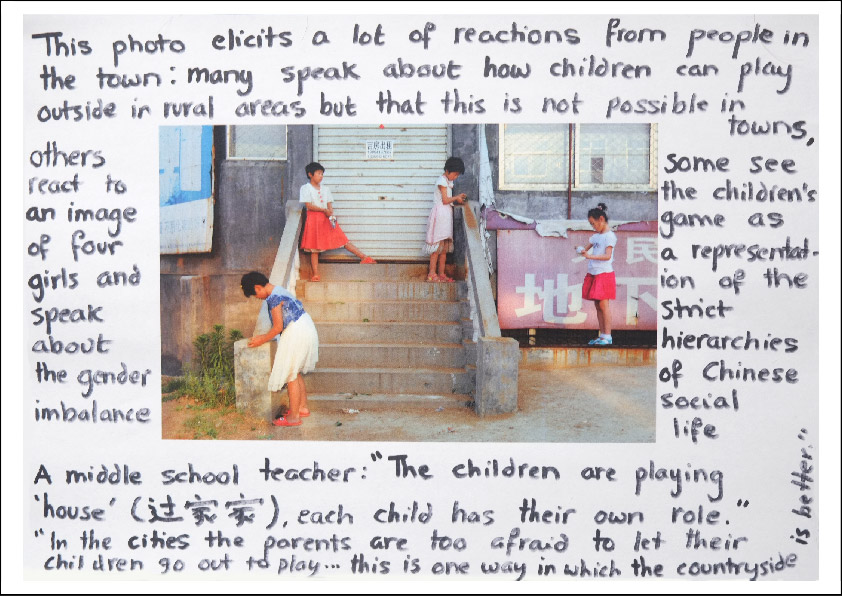 This linguistic choice both structures and reflects how people in the town approach ICTs. In businesses, computers and cell phones are used more frequently to "play" during downtime than they are integrated into business processes. This is not to say that ICTs are not used in business; a local pharmacy places their medicine orders via the QQ messaging service [1], clients communicate with businesses via QQ, and cell phones are widely used to make business arrangements.
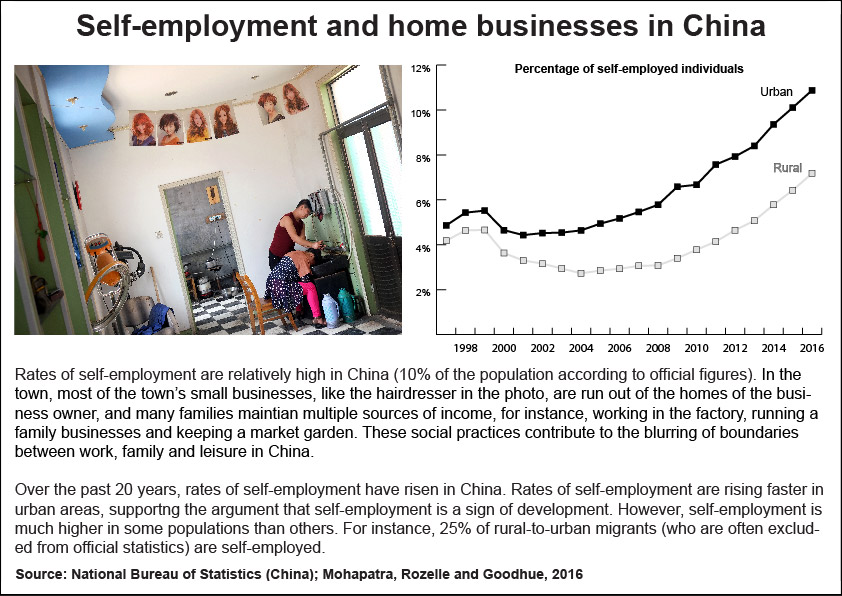
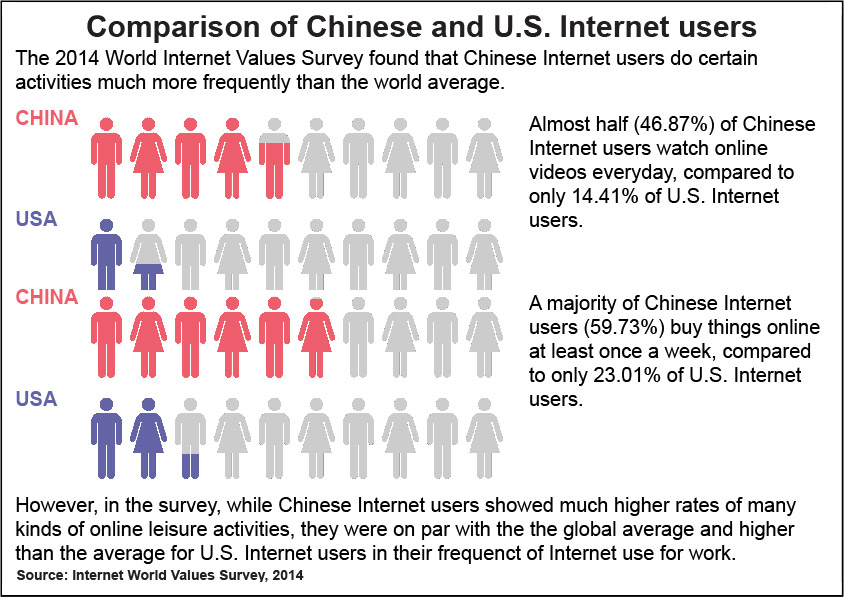 This linkage of ICTs with playfulness also reflects the greater overlap between work and leisure in Chinese society, especially in small towns; individuals tend to spend a great deal of time in their workplace and with their work colleagues, and most small businesses in the town are run out of the homes of the store owners who live in the rooms behind and above the storefront. The line between what is work time and what is playtime is not well defined for people in the town. Individuals approach many aspects of their lives with a playful attitude and ICTs are generally seen as an object for play rather than work. This discourse is especially important in structuring how adults approach introducing ICTs to their children.