Supplementary Material: Photography as a methodology
An important part of academic research is being cognizant and transparent about the limitations of any particular effort. This project, like all academic endeavours, has areas of both strength and weakness. This was an experiment: an investigation into how photography could be used as part of the research and dissemination process. Although it is a project with interesting conclusions and findings in its own right, is also a proof-of-concept, intended to pave the way for future, larger studies and different kinds of experiments with using photography as part of a research method. This was what could be achieved with only eight days of photography, a very, very limited budget and working on the site only as a side-project. It is hoped that the literature, data and conclusions that are presented on this site are understood with this background in mind.
This was, to my knowledge, the first attempt to use photography as an iterative research process. I have seen photography used by other researchers, but never exactly in this way. It should be stated that the method employed here is limited to only a particular type of research question that is amenable to photography. The four questions addressed on this website are broad, exploratory and visually oriented. In each case of research, the method should be crafted to the specific research question being investigated and it is hoped that this effort can show that photograph can be used as a tool to help in the exploration of certain types of research questions.
Reflecting on this method, the work in China was, to me, clearly a success. Through photograph, I was able to engage participants 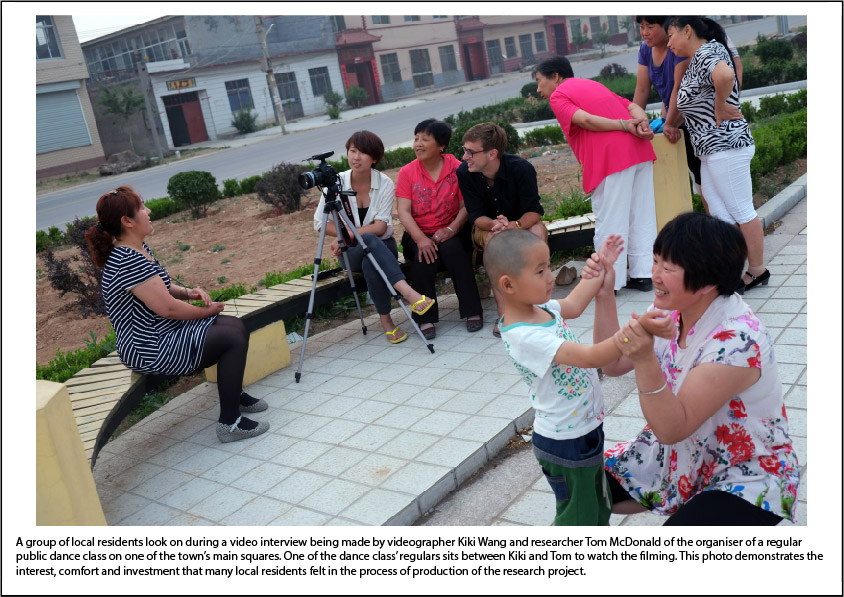 and open discussions that would otherwise not have been possible due to reticence or shyness or a lack of a shared vocabulary, and I mean here not English and Mandarin, but these much more complicated issues of the kinds of language and thoughts that academics are drawn to and that that is hugely different than for the individuals that we were working with in this town in rural China. I will certainly try to incorporate photography as part of future research efforts and strongly encourage other academics to do what the Why We Post project did and work with photographers and videographers to help communicate with the public about their research but also to communicate with research participants about the research that is currently ongoing because this, for me, was the area that was so clearly a success and so much enriched the conclusions and the data that I was able to generate as part of this project.
The potential success of the other side of this project, the attempt to use these visual materials to open up a wider conversation about these issues online remains to be seen. The decision was made to create an integrated website to have a longer period of time to work on these materials and develop different ideas about presentation and to have greater control over the final presentation of these materials. However, the current media climate is based around social media and the rapid consumption of very, very short snippets of information. The materials presented on this site may prove difficult for other individuals to find and too lengthy for individuals to engage with when going about their everyday business on the internet. The audience of this project has not been fully conceptualized. So in future efforts, I would concentrate my attention on creating small multimedia products over a longer period of time that may or may not be collected at the end into an integrated site such as this.
Lastly, I want to address the potential critique that this is a journalistic project rather than academic research. While I did draw on the skills I developed in my previous career as a multimedia journalist 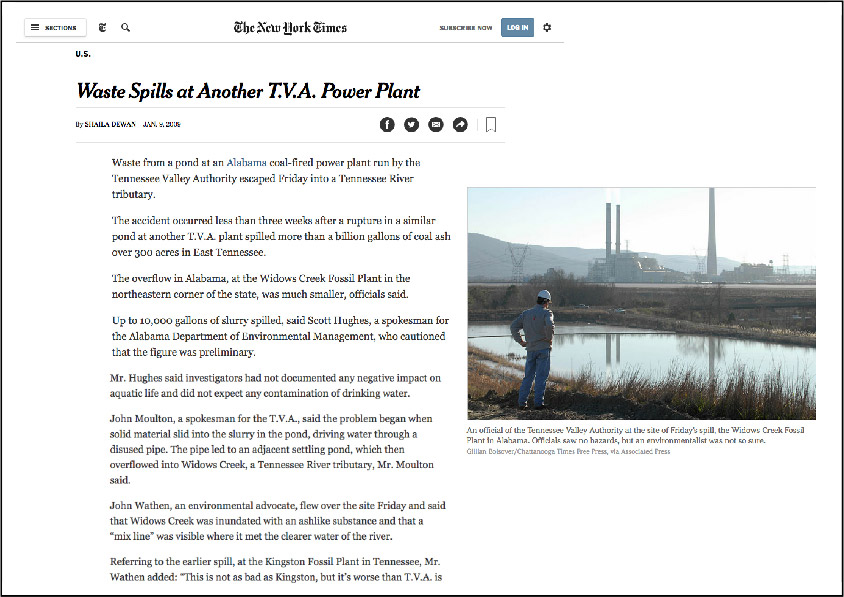 to create this project, this effort is underpinned by and intends to contribute to academic research. The questions that we asked subjects and the questions that we asked ourselves are the same as any academic project that used a different methodology would have asked, and, moreover, these questions would have seemed wholly out of place in a journalistic endeavour.
However, there is, I believe, much more common understanding underpinning journalism and academic research than most academics would admit and I believe that it would be of benefit to academic research, especially in the recent drive towards buzzwords like impact and knowledge exchange, to learn selectively from how journalists have worked to present their research in formats that really do achieve knowledge exchange and creates impact. However, these methodological experiments remain a work in progress for me and I would be delighted to engage with any comments that you might have on this project.